
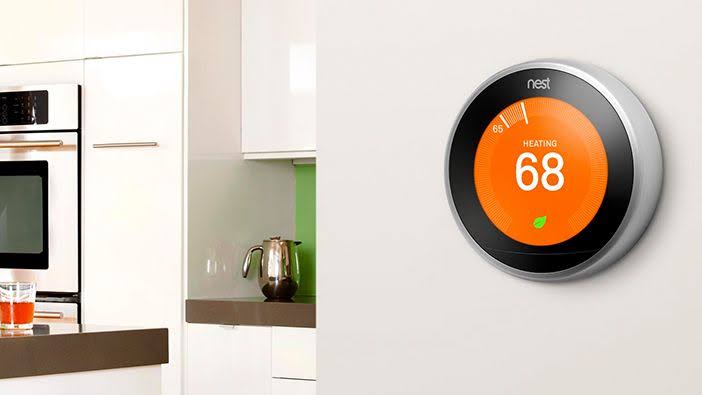
Heating costs tend to climb as soon as Nebraska temperatures fall, but a big winter bill is not inevitable. A few smart thermostat settings, some low-cost air sealing, and basic furnace care can reduce how hard your system has to work while keeping your home comfortable. This guide walks through the changes that make the biggest difference for Lincoln homeowners and explains when it is worth calling a professional.
What Is the Best Thermostat Setting to Save Money on Heating?
For most homes, setting the thermostat to around 68°F to 70°F while you are awake and lowering it while you sleep or are away is the simplest way to cut heating costs. The U.S. Department of Energy says you can save as much as 10% a year on heating and cooling by turning the thermostat back 7 to 10 degrees for eight hours a day.
A programmable or smart thermostat handles this automatically and can bring your home back to a comfortable temperature before you wake up or get home. If you prefer a manual thermostat, the same savings apply as long as you remember to adjust it.
You may have heard that your furnace has to work so hard to recover after a setback that it cancels out the savings. The Department of Energy calls that a common misconception. The lower your indoor temperature, the more slowly your home loses heat, so the longer it stays at the lower setting, the more energy you save.
Should You Use a Thermostat Setback With a Heat Pump?
Not in the same way. The Department of Energy notes that setting back a heat pump in heating mode can make the unit run inefficiently, which can wipe out the savings from the lower temperature. A moderate, steady setting is usually the most cost-effective approach, and some thermostats are designed specifically for heat pumps. If you are not sure which approach fits your home, our guide to heat pumps vs. furnaces explains how each system works.
Does Thermostat Placement Affect Your Heating Costs?
Yes. A thermostat should sit on an interior wall, away from direct sunlight, drafts, doorways, and windows, so it reads the true temperature of the room. Furniture in front of it can block natural airflow and throw off its readings. If your furnace seems to cycle more than it should, or one room never feels right, thermostat placement is worth checking.
How Much Can Sealing Air Leaks Lower Your Heating Bill?
Air leaks let warm air escape and cold air in, so your furnace runs longer to make up the difference. The Department of Energy calls caulking and weatherstripping the cracks and openings to the outside one of the quickest energy and money saving projects a homeowner can tackle. Its air sealing project guide lists estimated energy savings of 10% to 20%, one to two hours of work, and roughly $3 to $30 in materials.
Start with the biggest gaps first:
- Cracks around window and door frames (caulk works best on stationary parts)
- Doors and operable windows that let air through (weatherstripping is the better fit)
- Places where plumbing, wiring, or vents pass through walls, floors, and ceilings
Leaks in your ductwork are a different story. The Department of Energy recommends bringing in a contractor who is familiar with duct sealing, so if you suspect your ducts are leaking, that is a good reason to schedule a professional inspection.
Does a Dirty Furnace Filter Increase Your Heating Costs?
It can. A clogged filter restricts airflow, which makes your furnace work harder to heat your home and adds wear to the system. Check your filter monthly during the heating season and replace it when it looks dirty or on the manufacturer’s schedule, which is often every one to three months depending on the filter type. Our pre-season heater checklist covers this and other maintenance basics.
How Often Should You Schedule a Furnace Tune-Up?
Once a year, ideally in fall before the heating season begins. A technician can inspect the burners, ignition system, and heat exchanger, check airflow, and catch small problems before they turn into a mid-winter breakdown. A furnace that is clean and properly adjusted uses fuel more efficiently, and fall appointments are usually easier to get than they are during a January cold snap.
If your furnace is already making unusual noises, short cycling, or heating unevenly, read our guide on when to call a professional for furnace repairs.
What Everyday Habits Help Keep Heat Where You Want It?
Small habits add up over a Nebraska winter:
- Use the sun. Open blinds and curtains on sunny windows during the day, then close them at night to add a layer of insulation.
- Keep vents and registers clear. Furniture, rugs, and drapes that block airflow can lead to uneven heating and a furnace that runs longer.
- Run ceiling fans in reverse. Clockwise on low speed pushes warm air back down from the ceiling.
- Dress for the season. A sweater or blanket lets you keep the thermostat a little lower without feeling cold.
For more seasonal tasks, see our fall HVAC and plumbing checklist.
When Does It Make Sense to Replace an Aging Furnace?
If your heating bills keep climbing even after these steps, or repairs are becoming frequent, your furnace may be losing efficiency with age. Our guide to the 5 signs your furnace is nearing retirement can help you decide, and planning a replacement before a breakdown gives you more time to compare options and ask about financing.
Lower Your Heating Costs With Help From Patriot Heating, Plumbing, and Air
Thermostat tweaks and air sealing are great first steps, but a professional inspection shows you exactly where your system is losing efficiency. Our Lincoln technicians can tune up your furnace, inspect your heating system, and let you know whether repairs or a replacement make the most sense. Contact us today or call (402) 464-7411 to schedule your fall furnace tune-up.