
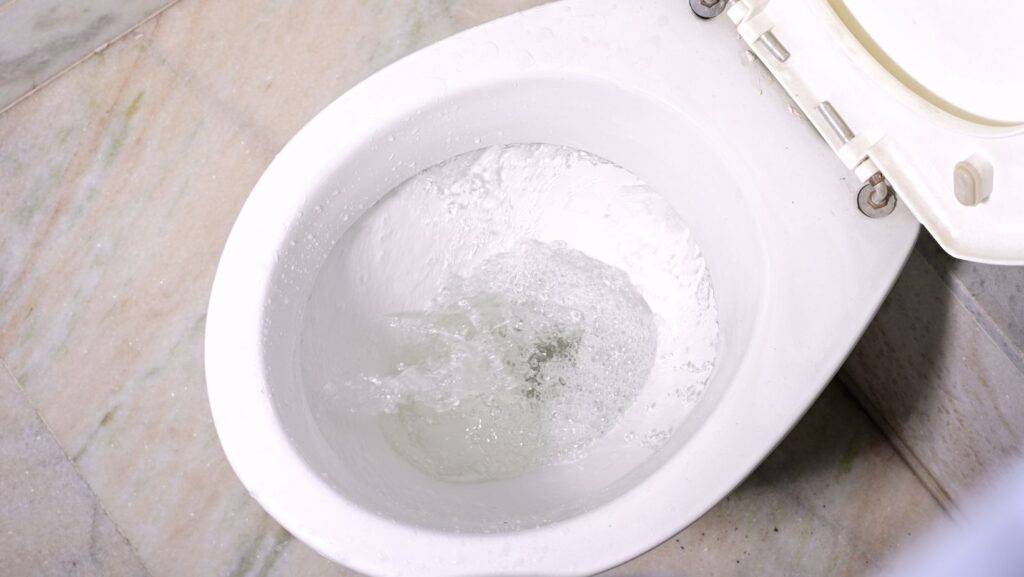
A running toilet almost always comes down to one of three parts failing inside the tank: the flapper, the fill valve, or the float. The good news is that most of these fixes take fifteen minutes and a trip to the hardware store, not a call to a plumber. Here’s how to figure out which part is causing the problem and what to do about it.
The Flapper Is the Most Common Culprit
The flapper is the rubber seal at the bottom of the tank that lifts when you flush and drops back down to hold water in place. Over time it warps, cracks, or builds up mineral deposits, which keeps it from sealing all the way. When that happens, water slowly leaks from the tank into the bowl, and the fill valve keeps kicking on to replace it, even though you haven’t flushed.
A simple test confirms this. Add a few drops of food coloring to the tank water and wait about ten minutes without flushing. If color shows up in the bowl, the flapper isn’t sealing properly. Flappers wear out on a predictable schedule and most plumbing professionals recommend replacing them every five years, according to the EPA’s WaterSense program.
A Misaligned Float Can Cause Constant Running
The float controls how high the water rises in the tank before the fill valve shuts off. If the float is set too high, water spills into the overflow tube and the fill valve never fully stops. This is a common issue after a fill valve replacement or a DIY adjustment that overcorrected.
Look inside the tank while it refills. If water is running into the overflow tube instead of stopping below it, the float is set too high and needs to be adjusted. Getting the level right takes a bit of trial and error, and setting it wrong can lead to a weak flush or wasted water in the other direction.
The Fill Valve Itself May Be Worn Out
If the flapper and float both check out, the fill valve is the next place to look. Fill valves have an internal seal that hardens or cracks with age, and once that happens, the valve can’t fully shut off even when the tank is full. This often shows up as a faint hissing sound or water that never quite stops trickling.
Fill valves typically last five to seven years before hard water and mineral buildup start to affect performance. This Old House notes that a running toilet is often the result of a flapper that doesn’t drop back into place cleanly after a flush, which keeps the fill valve running long after it should have shut off. Pinpointing whether the flapper, float, or fill valve is actually at fault takes a trained eye, since replacing the wrong part just means paying for parts twice without solving the problem.
Why It’s Worth Fixing Right Away
A running toilet isn’t just annoying. It can waste thousands of gallons of water a month, and that shows up directly on your utility bill. Left unaddressed long enough, a stuck fill valve or failing flapper can also lead to water pooling around the base of the toilet, which risks damage to your flooring and subfloor.
Frequently Asked Questions
How do I know if my toilet is leaking silently? Add food coloring to the tank and wait ten minutes without flushing. Color in the bowl means you have a leak, most likely from the flapper.
Can I fix a running toilet myself? It depends on which part is failing, and misdiagnosing the cause is common. A licensed plumber can identify the actual problem in minutes and make sure it’s fixed correctly the first time.
How much water does a running toilet waste? A running toilet can waste hundreds to thousands of gallons per month depending on the cause, which adds up quickly on a water bill.
When should I call a plumber? As soon as you notice a toilet running longer than it should, especially if you also see water pooling around the base. Waiting only adds to the water bill and risks damage to your flooring or subfloor.
A running toilet is one of the most common calls we get, and it’s usually fixed in a single visit. Get in touch with Patriot Plumbing and we’ll diagnose the cause and take care of it, so you’re not stuck guessing which part is to blame.