
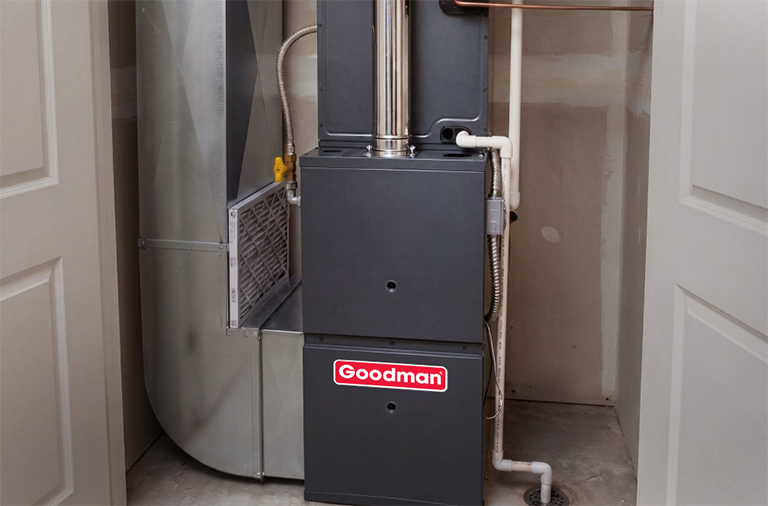
A well-maintained gas furnace typically lasts 15 to 20 years, and some push past that with consistent care. In Lincoln, where furnaces run hard from October through April, age is only part of the story. Rising heating bills, frequent repairs, uneven heat, strange noises, and safety concerns like a cracked heat exchanger are all signs it may be time to replace your system rather than keep patching it. Below, the Patriot Plumbing, Heating & Air Conditioning team breaks down what affects furnace lifespan, the warning signs to watch for, and how to decide between repair and replacement.
What Is the Average Lifespan of a Furnace?
Most gas furnaces last between 15 and 20 years. That range depends on several factors, including the quality of the original installation, how well the system was sized for your home, and how consistently it has been maintained.
Here is a general look at what to expect by heating system type:
| Heating System | Typical Lifespan |
|---|---|
| Gas furnace | 15 to 20 years |
| Electric furnace | 20 to 30 years |
| Oil furnace | 15 to 20 years |
| Heat pump | 10 to 15 years |
These numbers are averages, not guarantees. A furnace that gets a tune-up every fall may comfortably reach the high end of its range. One that has been neglected, undersized, or installed incorrectly can start failing well before its 15th birthday.
How Do Nebraska Winters Affect Furnace Lifespan?
Nebraska winters put real mileage on a furnace. Long stretches of below-freezing temperatures mean more run time, more heating cycles, and more wear on parts like the blower motor, igniter, and flame sensor. A furnace in Lincoln simply works harder in a typical year than the same model installed somewhere with mild winters.
That does not mean your furnace is doomed to a short life. It does mean that annual maintenance matters even more here. A pre-season inspection catches worn components before they fail on the coldest night of January, which is exactly when you least want to be without heat.
What Are the Signs My Furnace Needs to Be Replaced?
Age alone is not a reason to replace a furnace that is still running safely and efficiently. When age combines with any of the following warning signs, though, it is worth having a technician take a closer look.
Your Furnace Is 15 Years Old or Older
If you are not sure how old your furnace is, check the data plate on the unit, usually found inside the access panel. The serial number often includes the manufacture date. A furnace in the 15 to 20 year range is not necessarily on its way out, but it is the point where planning for replacement makes more sense than waiting for a breakdown.
Your Heating Bills Keep Climbing
As furnaces age, they lose efficiency. If your gas bills are rising year after year while your thermostat habits and rates have stayed about the same, your furnace may be burning more fuel to produce the same amount of heat. Older furnaces were also built to lower efficiency standards to begin with, so even a perfectly maintained 20-year-old unit cannot match a modern high-efficiency model. If you are looking for ways to trim costs in the meantime, our guide on how to lower your heating bill has practical tips.
You Are Calling for Repairs More Often
One repair in a few years is normal. Multiple service calls in the last two heating seasons is a pattern. Once repair costs start stacking up on an older system, that money is often better put toward a new furnace that comes with a warranty.
Some Rooms Are Too Cold While Others Are Too Warm
Uneven heating can point to ductwork issues, but it can also mean your furnace no longer has the capacity to distribute warm air throughout your home. If you are constantly adjusting the thermostat or reaching for space heaters, your system may be struggling to keep up.
You Hear Banging, Rattling, or Screeching
Furnaces make some noise, but loud or unusual sounds are worth investigating. Banging can indicate ignition problems, rattling may point to loose components, and high-pitched squealing often means a worn blower motor or belt. On an older furnace, these issues tend to multiply.
You Notice Unusual Smells
A dusty smell when you first turn the heat on in the fall is common and usually burns off quickly. Persistent burning, electrical, or rotten-egg smells are not normal. Learn more in our post on why your furnace smells bad. If you ever smell gas, leave your home immediately and call your gas utility from outside.
The Burner Flame Is Yellow Instead of Blue
A healthy gas furnace flame should be mostly blue. A yellow or flickering flame can signal incomplete combustion, which may lead to carbon monoxide production. This is a sign to call a professional right away.
You Suspect a Cracked Heat Exchanger
The heat exchanger keeps combustion gases separate from the air that circulates through your home. As furnaces age, repeated heating and cooling can cause cracks to form. A cracked heat exchanger can allow carbon monoxide to enter your living space, and in most cases on an older furnace, it means replacement is the safer and more practical choice. Every home with a fuel-burning furnace should have working carbon monoxide alarms. The U.S. Consumer Product Safety Commission’s carbon monoxide questions and answers page is a helpful resource on CO safety.
Should I Repair or Replace My Furnace?
There is no one-size-fits-all answer, but a few guidelines can help you decide.
Repair usually makes sense when:
- Your furnace is less than 10 to 12 years old
- The problem is a single, isolated part like an igniter, flame sensor, or thermostat
- The system has a good maintenance history and has been reliable up to now
Replacement usually makes sense when:
- Your furnace is 15 years old or older
- A major component, such as the heat exchanger or blower motor, has failed
- You have needed multiple repairs in recent years
- Your energy bills are rising and comfort is declining
- There are safety concerns related to combustion or carbon monoxide
A common rule of thumb is to multiply the age of your furnace by the cost of the repair. If that number is more than the cost of a new system, replacement is likely the better investment. A trusted technician can walk you through the numbers for your specific situation.
What Should I Look for in a New Furnace?
If you decide to replace your furnace, efficiency is one of the biggest factors to consider. Furnace efficiency is measured by AFUE (Annual Fuel Utilization Efficiency), which tells you how much of the fuel your furnace burns actually becomes heat for your home.
Because Nebraska falls in the northern climate zone, ENERGY STAR certified gas furnaces sold here use the standard ENERGY STAR label rather than the “U.S. South” version. According to ENERGY STAR, certified gas furnaces in the northern half of the country are up to 18% more efficient than baseline models. In a heating-heavy climate like ours, that efficiency adds up over the life of the system.
Other things to discuss with your installer include:
- Proper sizing: A furnace that is too large or too small for your home will cycle inefficiently and wear out faster.
- Single-stage vs. two-stage or variable-speed: Multi-stage furnaces run at lower output most of the time, which improves comfort and reduces wear.
- Warranty coverage: Know what is covered for parts and labor, and for how long.
- Ductwork condition: A new furnace will not perform at its best through leaky or poorly designed ducts.
Patriot is a certified dealer of Goodman and Armstrong Air equipment and can help you find the right fit for your home and budget. Financing options are also available.
How Can I Make My Furnace Last Longer?
The best way to get the most years out of your furnace is consistent, preventive care:
- Schedule an annual tune-up before the heating season starts. A technician can clean components, test safety controls, and catch small issues early.
- Change your air filter regularly, typically every one to three months depending on the filter type and your household.
- Keep vents and returns clear of furniture, rugs, and storage.
- Keep the area around your furnace clean and free of clutter.
- Install and test carbon monoxide alarms on every level of your home.
For a full seasonal rundown, check out our fall HVAC and plumbing checklist. Patriot’s Planned Maintenance Club is another easy way to stay on top of yearly service without having to remember to schedule it.
Frequently Asked Questions
Can a furnace last 30 years?
Some furnaces do run for 25 to 30 years, especially electric models or gas furnaces that have been meticulously maintained. However, a gas furnace that old is far less efficient than modern equipment and is more likely to develop safety issues like heat exchanger cracks. Even if it still runs, it is worth having it inspected annually and planning for replacement.
Is it better to replace a furnace before it breaks?
In many cases, yes. Replacing a furnace on your own timeline lets you compare options, plan your budget, and avoid paying for emergency service during a cold snap. Waiting until it fails in the middle of a Nebraska winter can leave you without heat and with fewer choices.
How long does furnace replacement take?
Most residential furnace replacements are completed in a single day. More complex installations involving ductwork changes or a switch in system type may take longer.
Should I replace my air conditioner at the same time as my furnace?
If your AC is around the same age as your furnace, replacing both together can save on installation costs and ensure the two systems are properly matched for efficiency. If your AC is relatively new, it may make sense to replace only the furnace.
Talk to Patriot About Your Furnace
Whether your furnace is showing its age or you just want an honest opinion on whether to repair or replace, the team at Patriot Plumbing, Heating & Air Conditioning is here to help. We have served homeowners in Lincoln and surrounding areas for more than three decades, and our technicians take the time to explain your options clearly.
Explore our residential HVAC services, call us at (402) 464-7411, or contact us online to schedule a furnace inspection or replacement estimate.